The Best Cloth Diaper Folds for Newborns in Hot Weather
Newborns can overheat quickly, especially during an Australian summer. A well-chosen cloth nappy fold should keep moisture away from the skin, fit around a small baby’s legs, and avoid adding unnecessary bulk under light clothing. Breathable fabrics and frequent changes matter just as much as the folding method.
Weather varies widely across Australia. A baby in humid Darwin or Brisbane may need a different routine from one in dry Perth or Adelaide, while air conditioning can make indoor spaces feel much cooler than the backyard. These newborn folds help parents balance absorbency, airflow, and a secure fit.
Start With Breathable Newborn Materials
Flats, prefolds, and muslin nappies made from cotton, bamboo, or hemp blends are useful in warm weather. Cotton muslin dries quickly and feels light, while bamboo is soft and absorbent. Hemp holds plenty of moisture but usually works best as a slim booster because it can feel less plush against delicate skin.
Use a breathable waterproof cover over the absorbent fold, and choose a cover with a trim fit around the thighs. Wool covers can provide excellent airflow, although they may feel too warm in very humid conditions. Avoid clothing that compresses the nappy tightly, as loose cotton singlets and roomy shorts allow air to circulate.
The Angel Wing Fold For Small Newborns
The angel wing fold is a practical choice for newborns because it creates extra layers through the centre while keeping the sides relatively narrow. Lay a flat nappy lengthways, fold the sides inward to form wings, and bring the lower section up between the baby’s legs. Fasten with a nappy pin or toddler-safe fastening tool before adding the cover.
This fold suits babies with narrow hips and slender legs. It can also help contain breastfed newborn poo when the back is folded slightly higher. Check the fit after every change: the cover should sit comfortably below the umbilical stump, and the leg elastics should touch the skin without leaving deep red marks.
The Jelly Roll Fold For Newborn Poo
The jelly roll fold rolls the inner edges of the nappy inward around the legs. Those rolled edges create a gentle seal that can help contain runny newborn stools, making it useful during the first weeks when babies may soil nappies frequently. It works particularly well with a soft cotton flat or muslin nappy.
This fold can feel a little bulkier than a simple pad fold, so use a lightweight cover and loose clothing. In hot weather, change the nappy promptly after a bowel movement and at regular intervals when it is wet. A damp nappy held against warm skin can contribute to irritation, regardless of the fabric used.
The Pad Fold For Airflow And Quick Changes
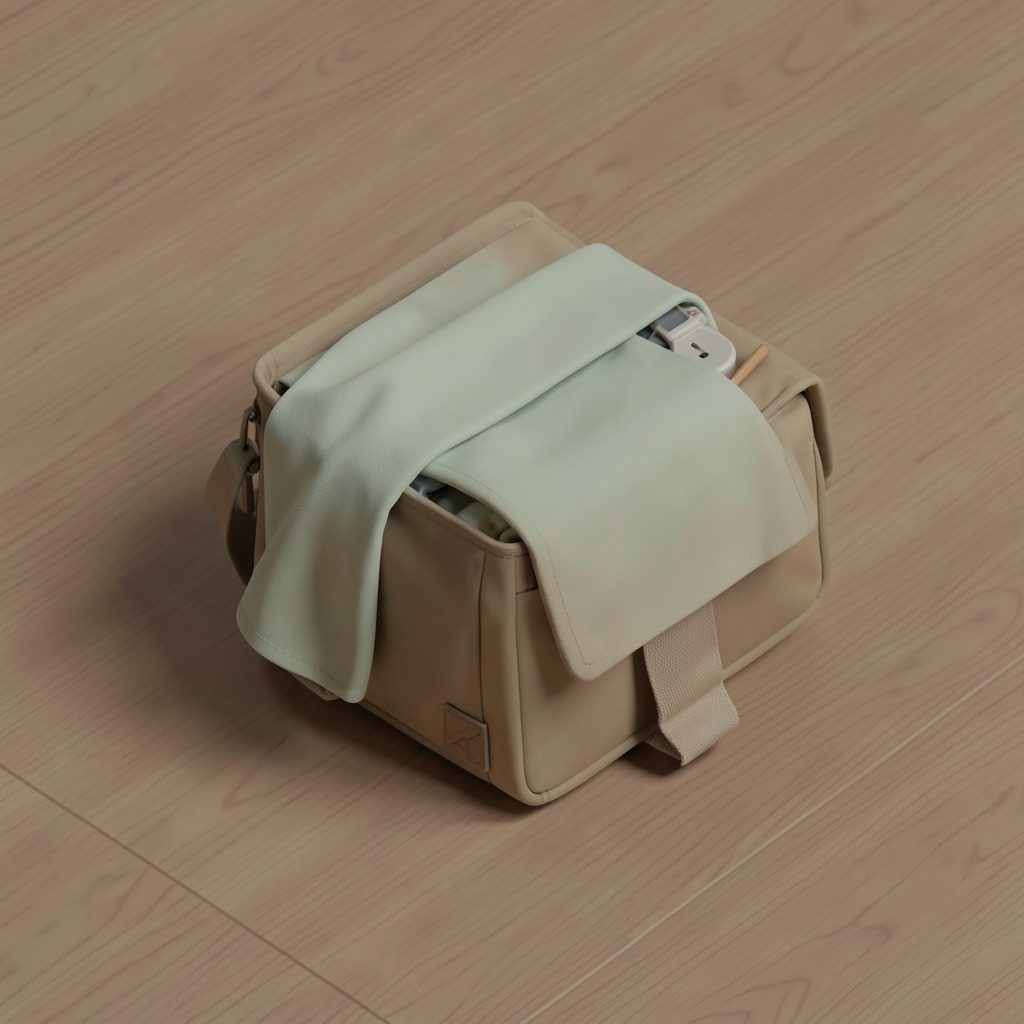
A pad fold involves folding a flat nappy into a long rectangle. It is one of the fastest folds to prepare and works well for daytime changes, travel, and childcare bags. Place the folded pad inside a cover, or fold it around the baby for a more secure fit if the fabric is soft and the cover is correctly sized.
The pad fold offers fewer shaped layers around the legs, which can make it feel cooler under summer clothes. It may provide less poo containment than a jelly roll fold, so it is often better for babies who are mainly wetting. Keep several prepared pads in the change bag for trips to the park, beach, or local shopping centre.
Choosing Absorbency Without Extra Heat
A newborn usually needs a slim, absorbent arrangement rather than a heavily boosted nappy. Start with one cotton flat or prefold, then add a narrow bamboo or hemp booster only if the nappy is becoming saturated before the next change. Too many layers can reduce airflow and make a baby feel hot, particularly in a warm car or pram.
For overnight use, test the fold during the day before relying on it for a long stretch. Newborns still need regular changes, and a wet nappy should not be left on simply because the baby is asleep. In northern Queensland or the Top End, families may need more frequent daytime changes than those living in a mild Melbourne winter.
Keeping Cloth Nappies Fresh In Australian Heat
Rinse heavily soiled nappies according to the care instructions, then use a suitable wash routine with enough water and detergent. In a hot, humid climate, avoid leaving damp nappies sealed in a closed pail for too long, since odours and mould can develop quickly. A ventilated laundry basket is usually more practical between washes.
Outdoor drying is a major advantage in many Australian homes, but strong summer sun can fade fabric and gradually weaken elastic. Dry nappies in bright shade when possible, and turn waterproof covers inside out so they dry thoroughly. Families using long day care should check the centre’s nappy policy, label the child’s wet bag, and pack spare nappies and changes for warm days.