How to Clean and Maintain Cloth Diapers in High Humidity
Cloth nappies can work well in Australia, even through sticky summer weather and tropical conditions. The main challenge is keeping used nappies ventilated, washing them thoroughly, and drying them before odours and mildew develop.
Humidity is especially noticeable in Brisbane, Darwin, Cairns and Townsville, while families in Sydney and Melbourne may face damp indoor drying during wet winters. A reliable routine, suitable detergent and good airflow make cloth nappy care much easier.
Choose Materials That Suit Your Climate
Natural fibres such as cotton, bamboo and hemp absorb well, but they can take longer to dry in humid weather. Quick-drying microfibre or charcoal inserts may be useful for daycare bags, travel and rainy periods, although they still need regular deep cleaning.
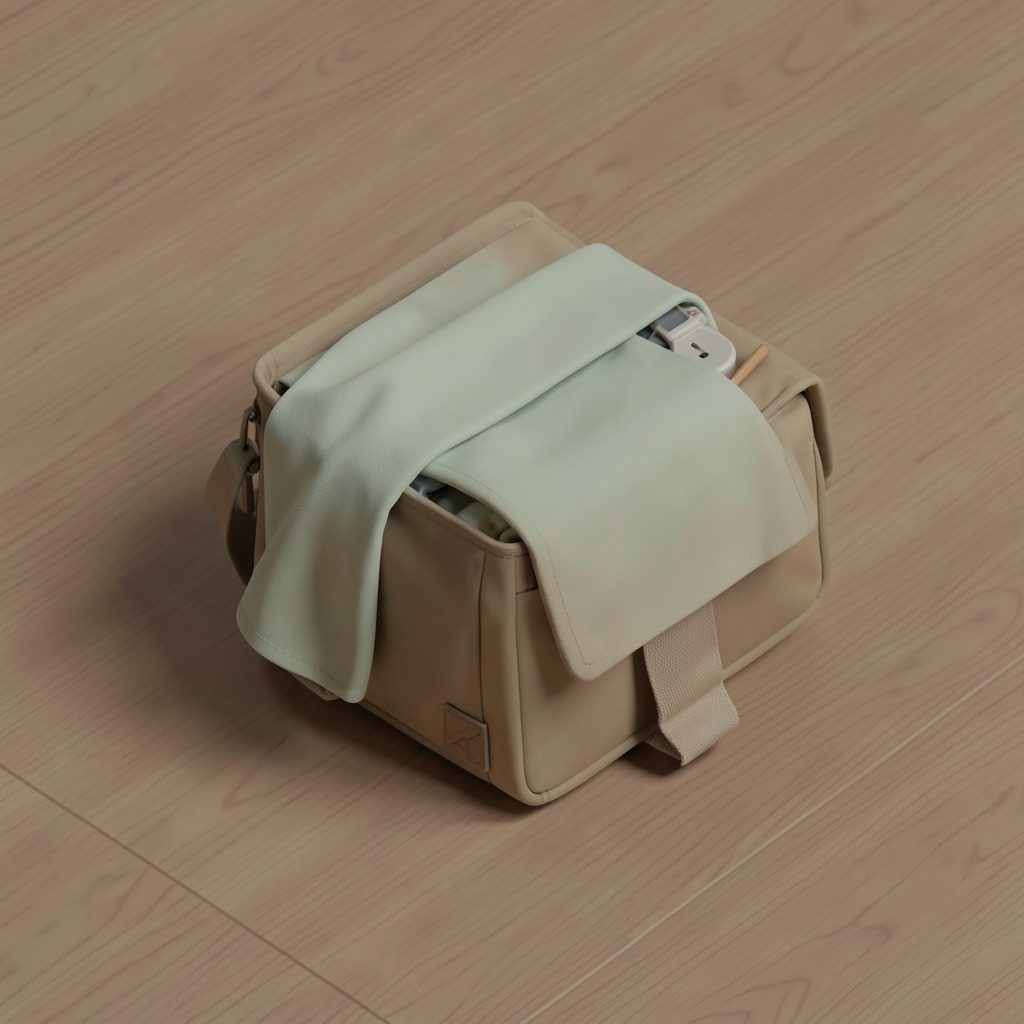
Use a washable, breathable wet bag rather than sealing wet nappies in an airtight plastic container. A zippered wet bag is practical for Australian homes, apartments and childcare trips, but leave it open or partly unzipped when possible to release moisture.
Buy enough nappies to avoid washing small loads every day. Many families find that a two- or three-day rotation allows time for washing and drying without leaving damp nappies in storage.
Store Used Nappies Safely
Remove solids into the toilet as soon as practical. Breastfed babies’ nappies can usually go directly into the wash, while older babies and toddlers need more thorough scraping or rinsing before storage.
Keep the wet bag away from direct sun, heaters and children. Do not soak nappies for long periods, as stagnant water can encourage bacterial growth, weaken elastics and create unpleasant smells.
A short pre-rinse is useful when nappies are heavily soiled, but avoid storing them wet after rinsing. Squeeze out excess water and place them loosely in the ventilated wet bag until wash day.
Build A Reliable Washing Routine
Start with a cold or warm pre-wash using a small amount of detergent. This removes urine and faecal residue so the main cycle can clean the fabric properly. Run the pre-wash often enough that nappies are not sitting for more than two or three days.
Follow with a full-length warm or hot wash, according to the care label. Use a good-quality detergent at the recommended dose for your water hardness and load size. Too little detergent can leave body oils behind, while excessive detergent may cause residue and reduced absorbency.
Avoid fabric softener, as it coats fibres and can make nappies repel liquid. Chlorine bleach should not be used routinely unless the manufacturer specifically permits it. For stubborn buildup, check the nappy brand’s instructions before using sanitising products.
Adapt Care To Australian Conditions
Local weather and washing facilities affect the best routine. A balcony in Melbourne, a covered veranda in Brisbane or an indoor rack in a Sydney apartment may each require a different approach to drying and airflow.
| Situation |
Useful adjustment |
| Tropical humidity in Darwin or Cairns |
Wash more frequently and use fans or air conditioning to improve airflow |
| Rainy winter in Melbourne |
Use an indoor rack with space between items and a dehumidifier if available |
| Small Sydney or inner-city laundry |
Choose slim drying racks and avoid overfilling the machine |
| Water restrictions in parts of Australia |
Follow local council rules and use full, efficient wash loads |
| Strong summer sun |
Turn nappies inside out and remove them once dry to protect elastics |
Australian councils can introduce different water-use rules, so check local guidance before increasing rinse cycles. Efficient full loads are usually better than repeatedly washing a few nappies, provided the machine is not packed too tightly.
Dry Nappies Completely
Sunlight is a useful natural deodoriser and can help reduce staining, but prolonged harsh sun may fade prints and shorten the life of elastic. Hang nappies with space between layers, open all pockets and separate inserts from covers.
In humid regions, drying indoors may require cross-ventilation, a ceiling fan or a dehumidifier. Do not store nappies while they feel cool or damp, because hidden moisture inside thick inserts can lead to mildew.
If a dryer is necessary, use a low or medium setting and follow the care label. Covers, hook-and-loop tabs and waterproof laminates are more vulnerable to heat than cotton inserts.
Recognise Problems Early
Persistent odour usually means the wash routine is not removing all the residue. Check loading, detergent quantity, pre-wash temperature and whether the machine itself needs cleaning. A nappy that smells clean when dry but sour when wet may have detergent or urine buildup.
Use these checks when troubleshooting:
- Strong ammonia smell: increase the pre-wash quality or review detergent dosing
- Repelling fabric: stop using fabric softener and check for residue
- Mould spots: isolate affected items and follow the brand’s sanitising advice
- Leaking covers: inspect fit, inserts, seams and worn elastic
For healthier daily use, remember these habits:
- Wash hands after handling soiled nappies
- Clean wet bags regularly with the nappy load
- Check nappies for damage before placing them on a baby
- Stop using items with sharp, exposed or broken fasteners
Never leave a child unattended on a change table while dealing with a nappy or wet bag.
Replace Worn Parts Responsibly
Elastic and hook-and-loop fasteners often wear before the fabric does. If a nappy leaks around the legs or waist, compare its fit with a newer one before assuming the absorbent insert is faulty. Some Australian cloth nappy retailers sell replacement inserts, snaps and repair kits.
Australian Consumer Law applies to products sold in Australia. If a new nappy has a manufacturing defect or fails far earlier than reasonably expected, keep the receipt and contact the retailer for an appropriate remedy. Normal wear, incorrect washing and heat damage may not qualify.
When nappies are beyond repair, reuse inserts as cleaning cloths where hygienic, and check whether local textile or baby-product recycling services accept the remaining materials. Good maintenance extends each nappy’s useful life and reduces the number of replacements needed.