How to choose the right diaper bag for twins
Leaving home with twins means preparing for two babies while keeping your hands free and your routine manageable. A suitable twin diaper bag needs enough capacity for nappies, bottles, clothing and comfort items without becoming so bulky that it is difficult to carry through a shopping centre, park or airport.
The best choice depends on your babies’ feeding patterns, your preferred travel method and the type of outings common in Australia. A short trip around Melbourne requires a different setup from a full day at the beach near Perth or a pram journey through Sydney’s public transport network.
Choose capacity without creating unnecessary bulk
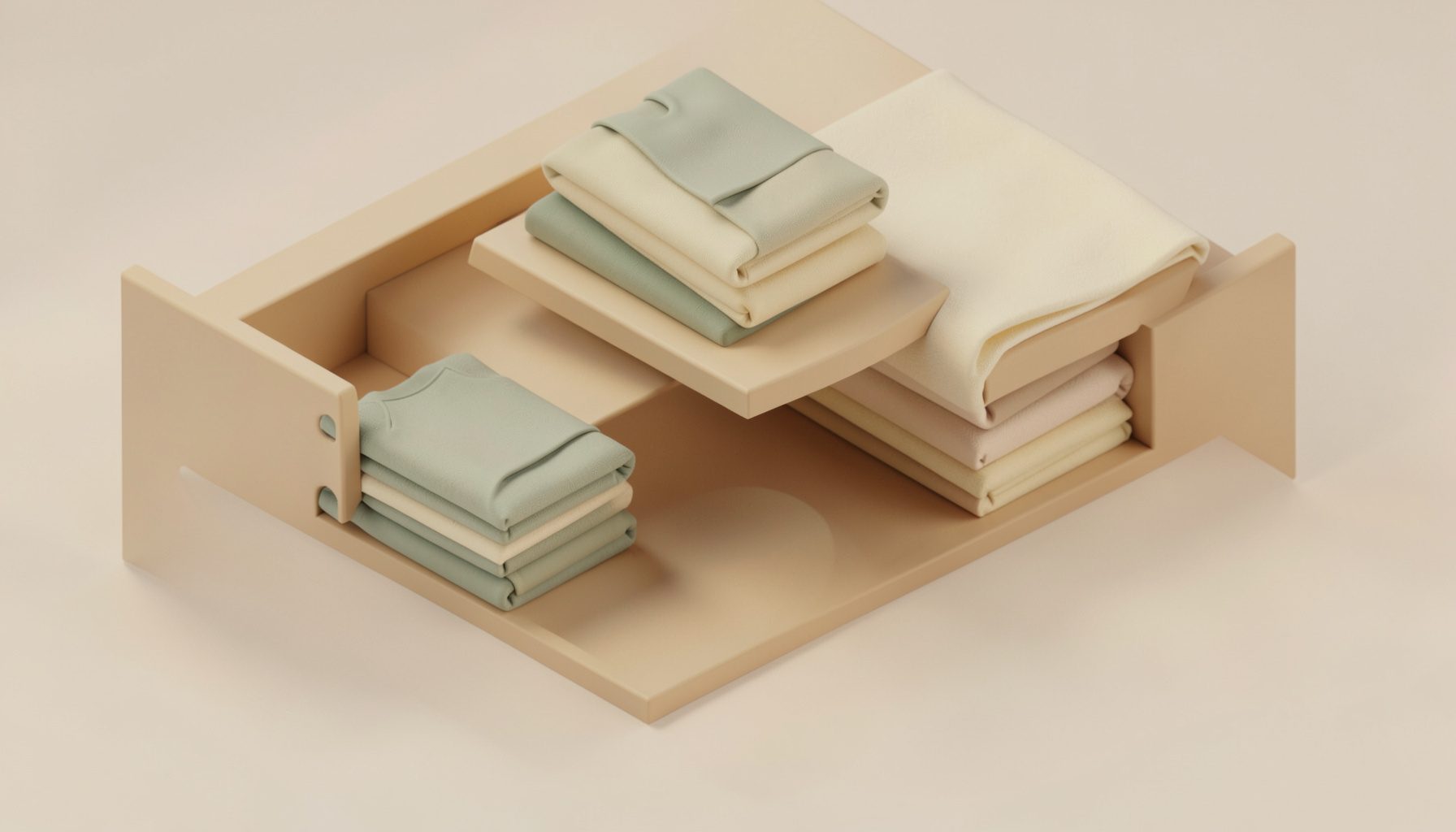
A twin-sized bag should have room for roughly twice the basic supplies, but capacity alone is not the deciding factor. Look for a practical internal layout with separate sections for clean nappies, spare clothes, feeding equipment, toys and personal items. Around 20 to 30 litres is often useful for daily outings, while longer trips may require a larger backpack or an additional organiser.
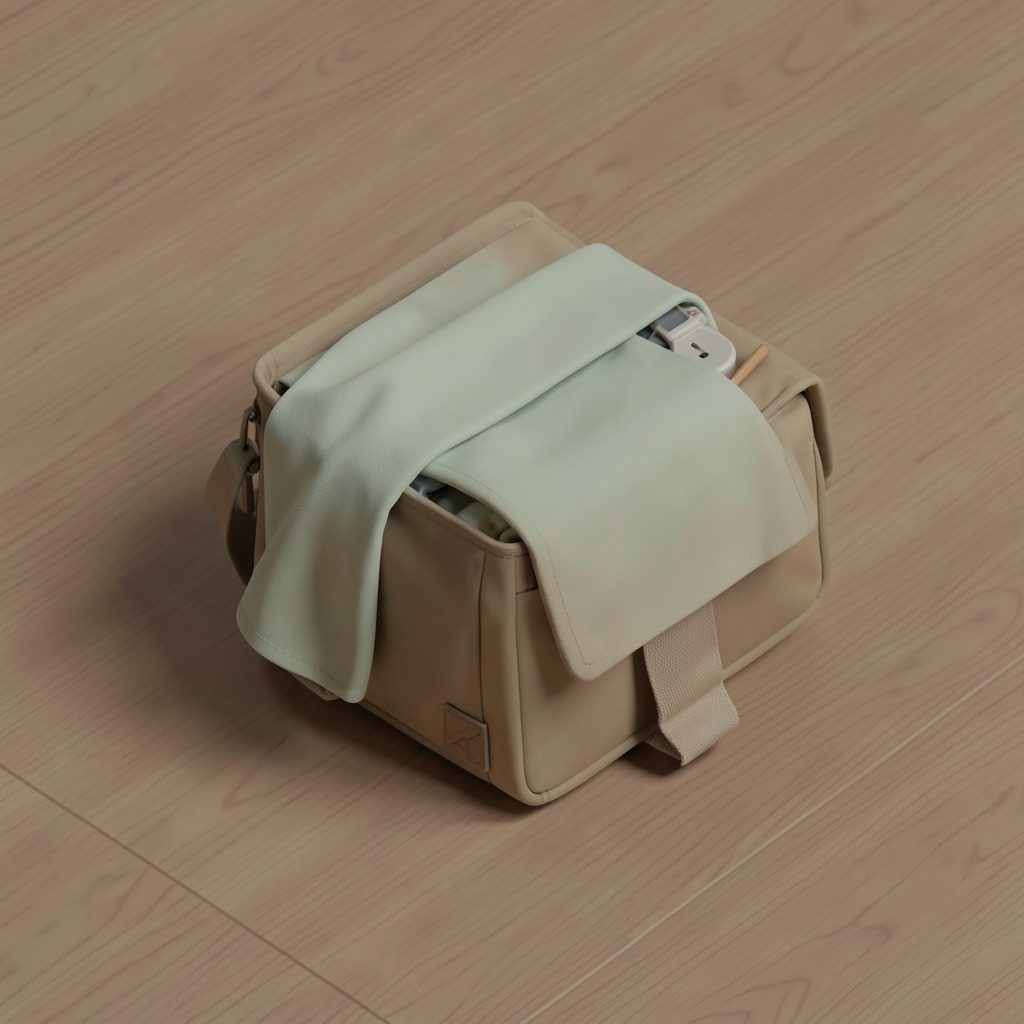
An overfilled bag can become uncomfortable and difficult to access. Select lightweight materials, wide padded straps and a structured opening that stays open while you search for a dummy or muslin cloth. A changing mat included with the bag can also save space compared with carrying a separate mat.
Prioritise compartments for two babies
Individual compartments make it easier to keep each child’s belongings organised. You may want two small clothing sections, separate bottle holders and clearly marked spaces for each baby’s nappies or medications. Colour-coded pouches can help when the twins have different feeding routines or clothing sizes.
External pockets are valuable for items needed quickly, such as wipes, hand sanitiser, tissues and snacks for an older sibling. A dedicated insulated pocket can help keep expressed breast milk or prepared formula at a suitable temperature for a limited period, although it should not replace safe storage practices or refrigeration.
Match the bag to feeding and changing routines
Breastfeeding parents may need space for nursing covers, breast pads, a portable pump and milk storage bags. Parents using bottles should check whether the bag can hold two bottles securely without leaking into the main compartment. Wide-opening designs are particularly helpful when feeding one baby while trying to locate supplies for the other.
For changing, include enough nappies for the planned outing, plus wipes, nappy cream, disposable or reusable wet bags and spare outfits. Cloth nappy users may need extra room for used nappies and inserts. In warm Australian weather, breathable compartments and washable linings can help reduce odours and make cleaning easier.
Consider backpacks, totes and pram attachment
A backpack usually distributes weight more evenly than a shoulder bag, which is useful when carrying two babies or pushing a double pram. Padded shoulder straps and a chest strap can improve comfort during longer walks around Brisbane, Canberra or Adelaide. A wide top handle is helpful when lifting the bag into a car.
Pram clips or a luggage sleeve can make the bag more versatile, but the attachment must be secure and compatible with your twin pram. Avoid hanging a heavy bag from lightweight pram handles unless the manufacturer permits it, as uneven weight can affect stability. For air travel, a compact personal bag may work alongside a larger checked suitcase.
Look for weather-ready and easy-care materials
Australian families deal with strong sun, sudden rain and long periods outdoors. Water-resistant fabric, covered zips and a wipe-clean lining are useful for trips in coastal areas such as the Gold Coast or Wollongong. UV-resistant materials may also help the bag retain its colour when it is regularly left in a car or used at outdoor play areas.
Choose durable fabrics that tolerate frequent washing and daily handling. Dark interiors can make small items difficult to find, so a pale or contrasting lining is often more practical. Sturdy zips, reinforced seams and washable changing mats are worth prioritising because a twin bag typically receives heavy use.
Check safety, comfort and everyday value
A well-designed nappy bag should be comfortable when fully loaded and should not contain loose cords, sharp fittings or easily detached parts that could become accessible to children. Keep medicines, creams and small accessories in zipped compartments. If the bag includes insulated storage, follow Australian food-safety guidance for breast milk and formula rather than relying on the bag alone.
Local purchasing also makes it sensible to check warranty terms, delivery conditions and compatibility with Australian prams and car travel. Families shopping online may compare Australian dollars, shipping costs and return policies before buying. A bag that works for supermarket trips, childcare drop-offs and weekend travel will usually offer better value than one designed only for occasional outings.